THE CALL OF THE WILD
Our Philosophy
The Loon Foundation’s philosophy is to ignite connections between people and the natural world and to foster and encourage responsible stewardship of our natural resources for future generations.
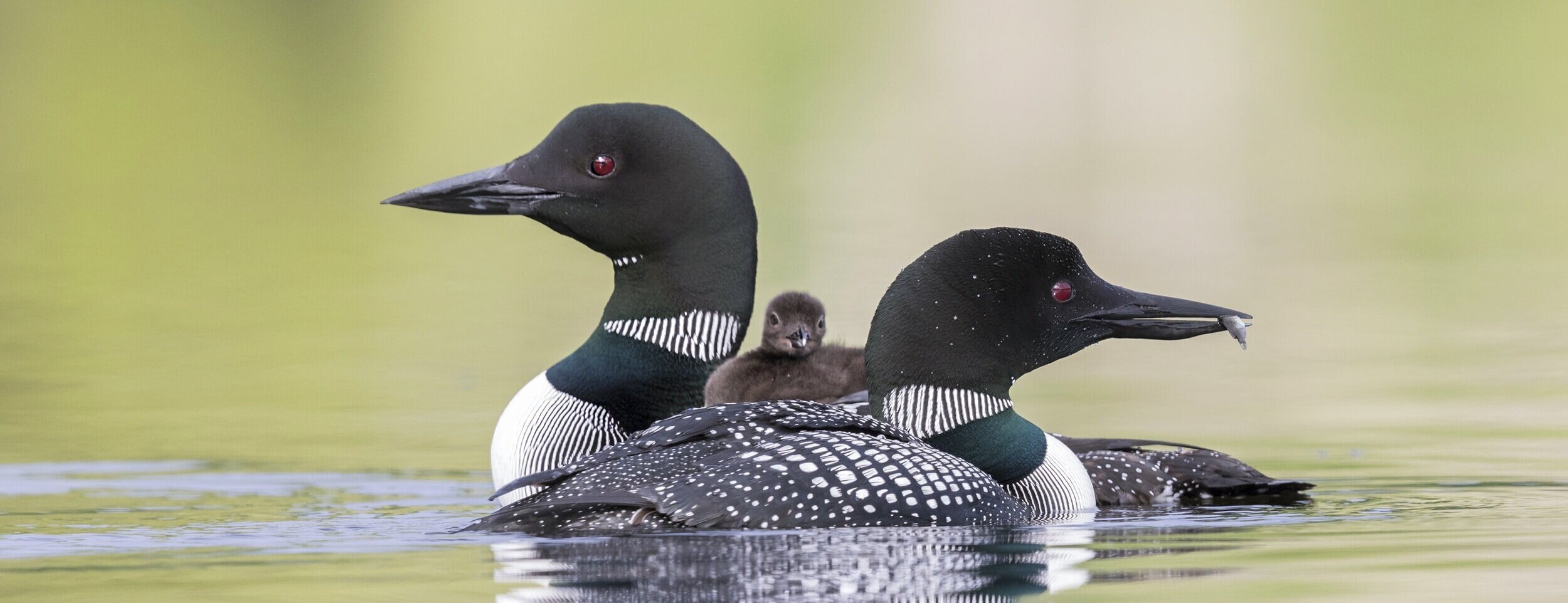
“The loon is a bird of the wilderness that symbolizes tranquility, serenity and the reawakening of old hopes, wishes and dreams. To see a loon means a dream will come true or a wish will be answered.”
Our Purpose





Long-Term Monitoring and Research
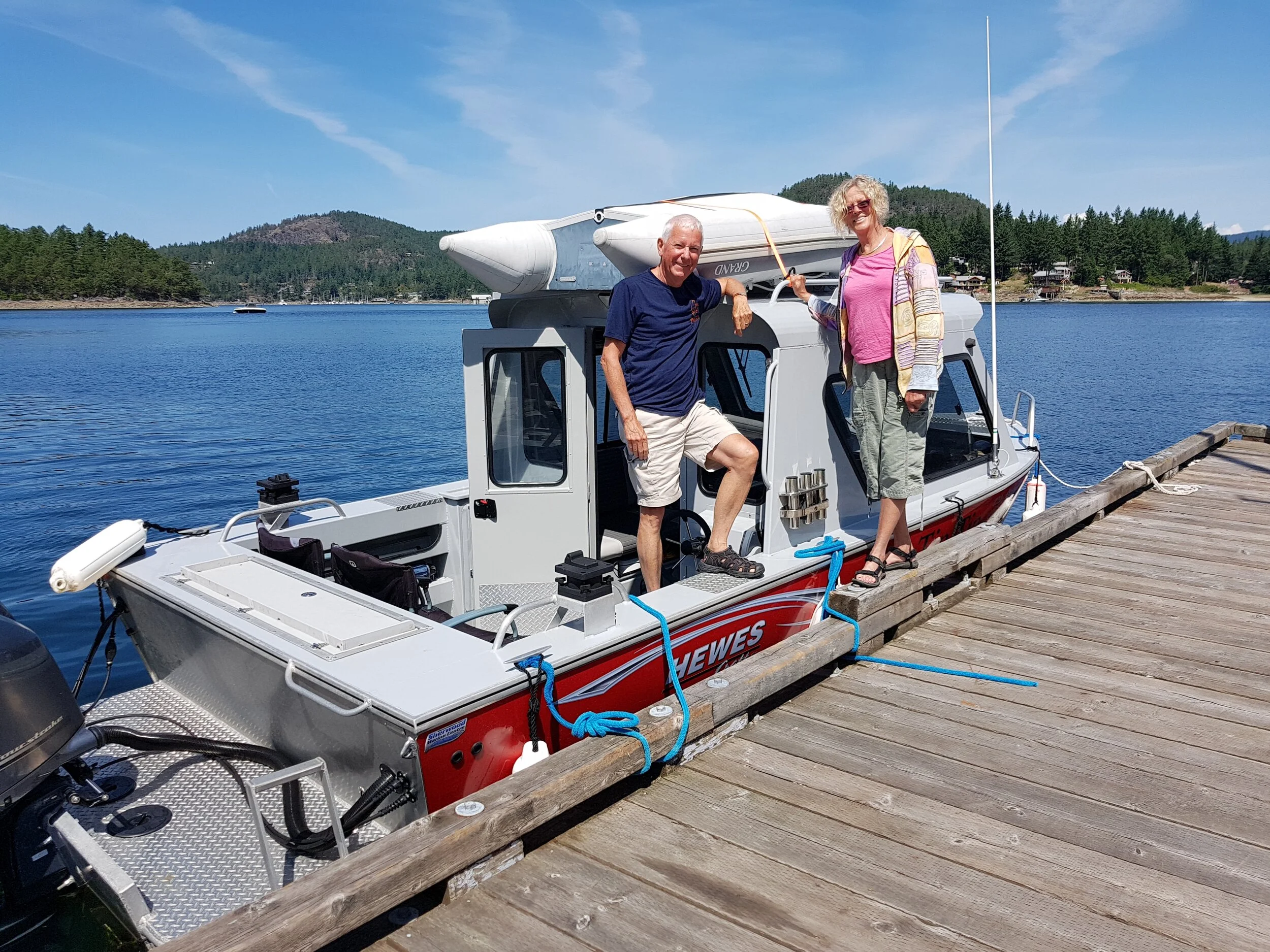
The Loon Foundation has been conducting extensive long-term environmental monitoring in the northern Salish Sea and throughout the coastal waters of Pender Harbour for many years. Long-term monitoring acts as an effective early-warning system that sets a firm baseline from which we can gauge when significant changes are occurring in different aquatic ecosystems. Once we identify trends from this data, we can establish more detailed research initiatives to better understand what is causing the change and how we can best address it. In particular we focus on ecological responses to climate change, anthropogenic effects on biodiversity, and strategies to preserve habitats and species at risk and ensure sustainable and productive coastal ecosystems.
Support the Loon Foundation
The Loon Foundation is a registered Canadian charity. We rely on donations from community organizations and individuals which goes towards helping to preserve and enhance the extraordinary biodiversity of the Sunshine Coast.

Stewardship
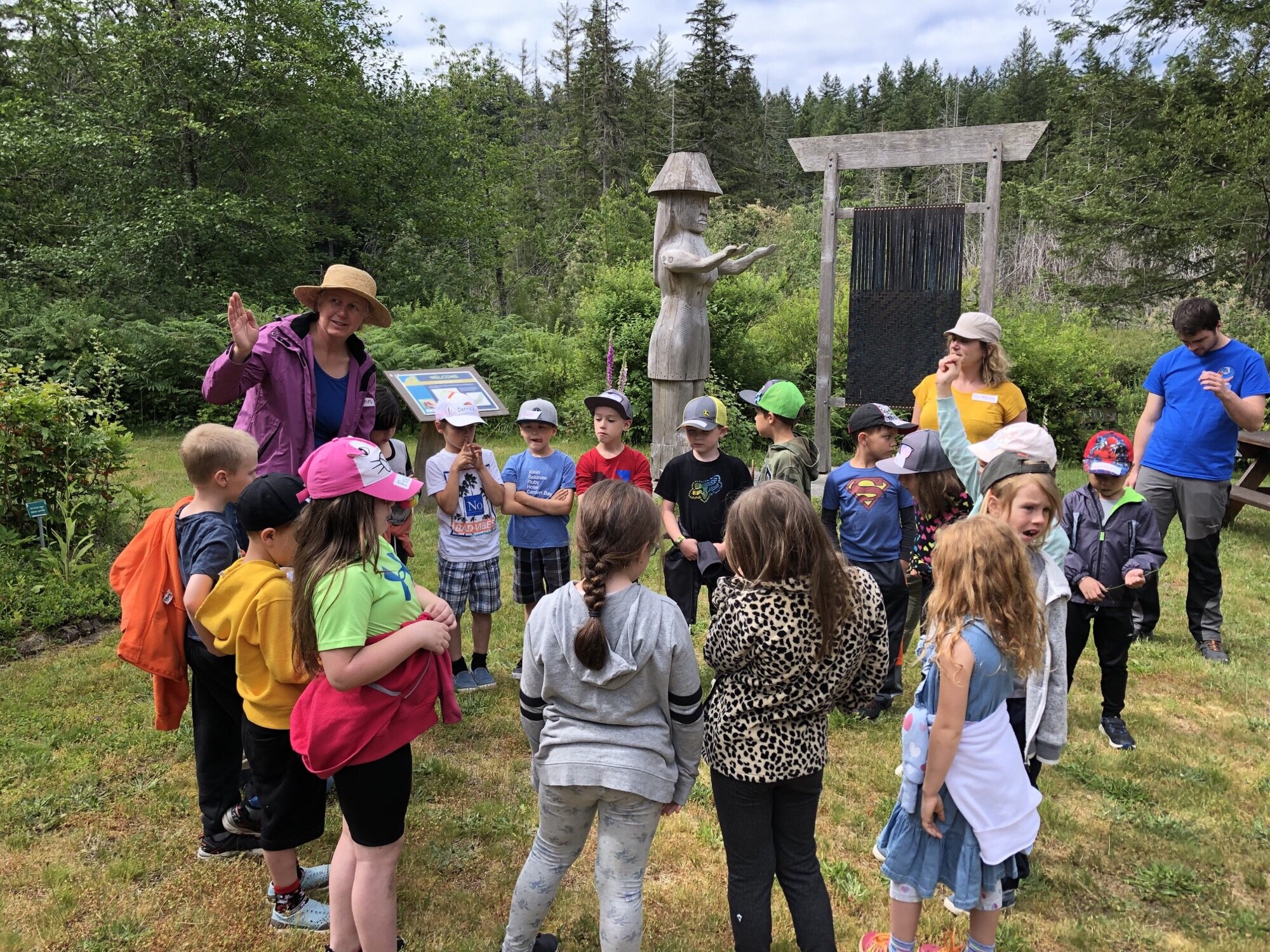
We believe that fostering connections between people and nature is key to empowering responsible stewardship of our environment for future generations. Our renowned Nature School program is a vital tool that helps to introduce and enlighten young children to the wonders of the natural world around them and to understand how important it is to establish a connection with it. We also run summer camps for kids, hold an annual BioBlitz, offer a range of opportunities for citizen scientists, and host numerous other events and festivals in the community.